
Combine Statistics and Energy Consumption Principles
EnergiSpeak brings the combination of statistics and energy consumption principles which plays a crucial role in understanding, analyzing, and optimizing energy usage in various domains. Here are several ways EnergiSpeak make these two fields intersect

01. Data Analysis for Energy Efficiency
- Descriptive Statistics: Analyzing historical energy consumption data using descriptive statistics helps identify trends, patterns, and variations. This information is vital for understanding how energy is used over time.
- Inferential Statistics: Statistical inference can be employed to make predictions or draw conclusions about future energy consumption based on a sample of data. This is useful for planning and decision-making in energy management.

02. Predictive Modeling
- Regression Analysis: Statistical regression models can be applied to understand the relationships between different variables affecting energy consumption. For example, predicting energy usage based on factors like weather conditions, operating parameters, or production output.
- Time Series Analysis: Energy consumption data is often time-dependent. Time series analysis, a statistical method, can help model and forecast energy usage patterns, allowing for better planning and resource allocation.

03. Optimization Techniques
- Statistical Optimization: Employing statistical optimization techniques helps in finding the most efficient parameters or configurations that minimize energy consumption. This can be particularly valuable in industrial processes, building management systems, and transportation.
- Machine Learning: Advanced statistical and machine learning models can be trained on large datasets to predict energy consumption, identify anomalies, and optimize energy usage in real-time.

04. Benchmarking and Comparative Analysis
- Statistical Benchmarking: Statistical methods can be used to establish benchmarks for energy efficiency by comparing the energy performance of similar systems or processes. This allows organizations to identify areas for improvement.
- Comparative Analysis: Statistical tools enable the comparison of energy consumption across different time periods, locations, or units, facilitating informed decision-making for resource allocation and energy-saving initiatives.

05. Quality Control and Monitoring
- Statistical Process Control (SPC): SPC methods are valuable for monitoring and controlling energy consumption within specified limits. Deviations from expected energy usage can trigger corrective actions to maintain efficiency.
- Anomaly Detection: Statistical techniques can identify abnormal patterns in energy consumption data, signaling potential issues or inefficiencies that require attention.

06. Policy and Regulation
- Statistical Evidence: Governments and regulatory bodies often rely on statistical evidence to formulate energy policies and regulations. Robust statistical analyses help in understanding the impact of policies on energy consumption and making informed adjustments.
EnergiSpeak’s ESTheorm software enables the integration of statistics and energy consumption principles for a data-driven approach to energy management, leading to better decision-making, improved efficiency, and sustainable practices.

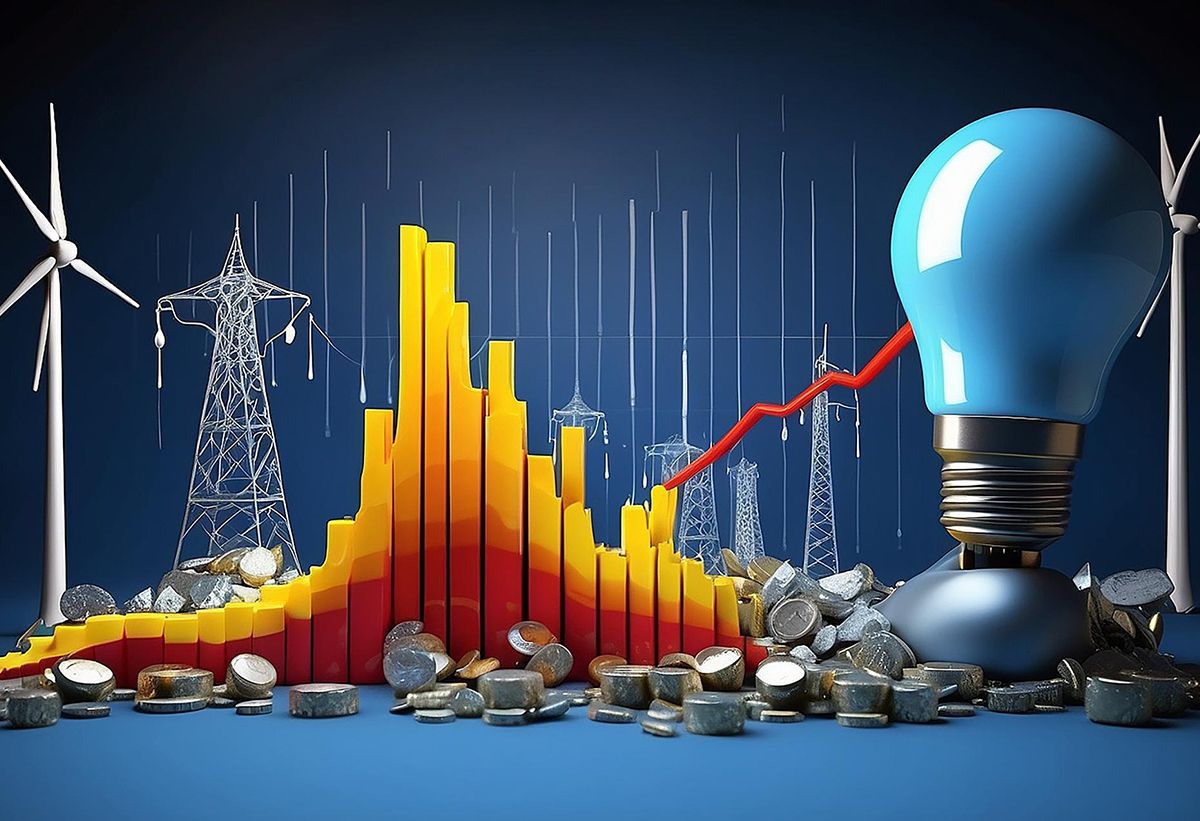
Combine Statistics And Energy Consumption Principles
EnergiSpeak brings the combination of statistics and energy consumption principles which plays a crucial role in understanding, analyzing, and optimizing energy usage in various domains. Here are several ways EnergiSpeak make these two fields intersect.
Read More
Valuing Energy Management
Valuing energy management is essential for organizations and individuals alike, as it encompasses a range of benefits that contribute to environmental sustainability, cost savings, and overall operational efficiency. Here are key aspects that highlight the value of EnergiSpeak’s high value energy management systems.
Read More
Unlocks The Benefits Of Digitalization In Energy Efficiency
EnergiSpeak solutions ease the Digitalization which plays a crucial role in unlocking various benefits in the realm of energy efficiency. Here are several ways in which EnergiSpeak digitalization contributes to optimizing energy usage.
Read More
Enhance Energy Management Information Systems (EMIS)
EnergiSpeak's enhanced Energy Management Information System (EMIS), leveraging the latest AI/ML technologies, offers a comprehensive solution to monitor and manage energy consumption for improved efficiency.
Read More
Steering System Integration of Renewable to Net Zero
EnergiSpeak addresses the challenges posed by the inherent variability of wind and solar PV power generation to achieve Net Zero targets. Here's how EnergiSpeak realigns energy and climate goals.
Read More
Consolidates an IT Approach to Energy Optimization
EnergiSpeak consolidates an IT approach to energy optimization involves leveraging Information Technology (IT) tools, systems, and strategies to enhance efficiency, reduce energy consumption, and contribute to sustainability goals.
Read More
Shifting from Simply Showing Data to Storytelling With Data
EnergiSpeak's approach to leveraging technology for data visualization and storytelling is commendable.
Read MoreWe drive the transition to more sustainable, reliable & affordable energy systems, Find Your Solution

Ready to fuel your curiosity?
Dive into the future with EnergiSpeak!
Embark on a journey of knowledge and innovation by subscribing to our newsletter. Stay at the forefront of groundbreaking developments in human ability, energy domain, and technology. Our newsletter is your gateway to insightful content, thought-provoking analyses, and exclusive updates, carefully curated to keep you informed and inspired.