
Microgrid
Enhancing Energy Access through Microgrid
EnergiSpeak's initiative in implementing microgrid solutions, especially with a focus on renewable energy sources and energy storage capabilities, is commendable. It has acomprehensive approach, towards the potential of microgrids in addressing energy access challenges in various contexts.
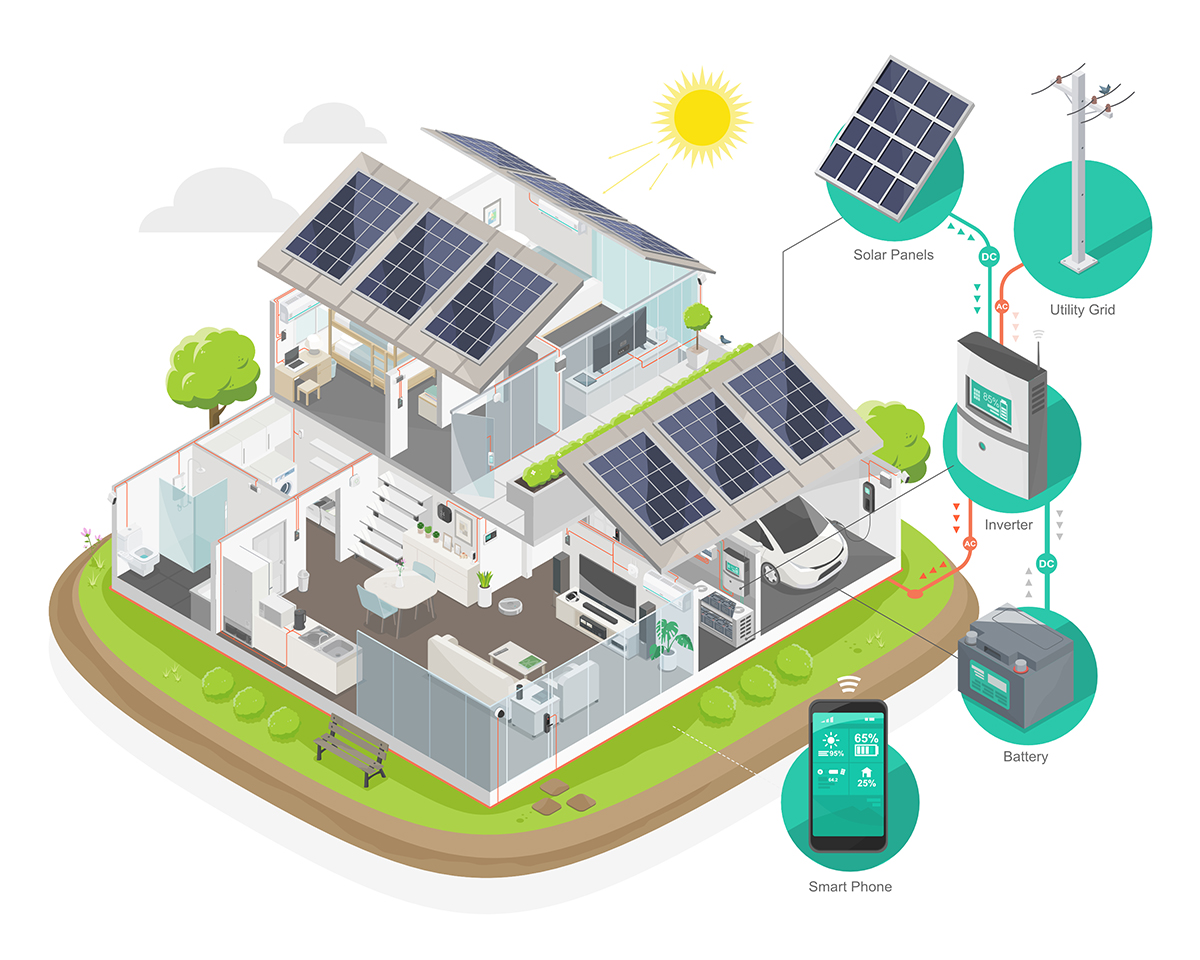
Here are some key points highlighted in your description:
- Versatility in Energy Sources: EnergiSpeak's microgrid solutions exhibit versatility by utilizing various renewable energy sources such as hydroelectric, biomass, wind, and solar power. This adaptability allows the microgrids to be tailored to the specific energy resources available in different regions.
- Modular and Fast Installation: The modular nature of EnergiSpeak's microgrids enables fast installation, making them suitable for addressing immediate energy needs in both rural and industrial settings. The remote monitoring capability enhances the efficiency of maintenance and troubleshooting.
- Diverse Applications: The microgrid solutions cater not only to rural areas but also find applications in industrial and commercial enterprises, including mining, oil and gas exploration, and manufacturing. This diversification extends the impact of microgrids beyond residential needs.
- Grid Support and Islanding: Microgrids can serve as a valuable supplement to existing electricity grids by providing support during peak loads, emergencies, and interruptions. The islanding capability ensures continuous power supply in case of faults or for energy conservation purposes.
- Data-Driven Operations: EnergiSpeak leverages IoT devices and sensors distributed throughout the microgrid system to collect and analyze data. This data-driven approach enables effective monitoring, control, and optimization of the microgrid's performance, contributing to reliability and stability.
- Digital Transformation Technologies: EnergiSpeak's commitment to digital transformation technologies, including analytics tools and sensors, enhances the efficiency of energy balancing. The integration of these technologies supports the optimization of renewable energy output, reduces operating costs, and minimizes the carbon footprint.
- Reduction of Conventional Power Generation: The long-term vision involves a gradual reduction in reliance on conventional power generation sources as renewable technologies become more efficient. This aligns with the global trend toward a more sustainable and environmentally friendly energy mix.
- Economic Viability and Support Services: EnergiSpeak not only focuses on the technical aspects of microgrid implementation but also offers professional services for project assessment, viability, cost-effectiveness, and scalability. This holistic approach ensures that microgrid solutions align with the specific needs and economic considerations of the communities or industries they serve.
- Renewable Energy Integration: By incorporating renewable energy sources into microgrids, EnergiSpeak is contributing to a more sustainable and environmentally friendly energy mix. This approach aligns with global efforts to reduce reliance on fossil fuels and mitigate climate change.
- Grid-Connected and Isolated Operation: The flexibility of EnergiSpeak's microgrids to operate in both grid-connected and isolated modes is crucial. This adaptability allows the microgrid to function seamlessly within existing grid infrastructure or independently in areas with limited or no access to the main power grid.
- Addressing Low Grid Penetration: Microgrids are particularly effective in areas where grid penetration is low or inaccessible. EnergiSpeak's initiative helps bridge the energy gap in such regions, providing reliable electricity to communities that may have otherwise been underserved.
- Energy Independence: The ability of microgrids to operate independently contributes to energy independence for communities or industries. This is especially important in remote areas where establishing connections to the main grid may be logistically challenging or economically unfeasible.
- Enhanced Reliability: Microgrids enhance energy reliability by providing localized power generation. In isolated mode, they can continue to supply electricity even during grid outages, ensuring uninterrupted power for critical services and infrastructure.
- Community Empowerment: Microgrids empower local communities by giving them control over their energy production and consumption. This not only fosters a sense of ownership but also provides economic opportunities through local job creation and skills development.
- Technological Control Capabilities: The incorporation of control capabilities in microgrids allows for efficient management and optimization of energy resources. This can include load balancing, demand response, and real-time monitoring to ensure the stability and efficiency of the microgrid.
- Scalability and Accessibility: EnergiSpeak's microgrid initiative, being scalable, can cater to a range of energy needs, from small rural communities to larger industrial or commercial enterprises. This scalability ensures that the solution is adaptable to various contexts and scales of operation.
- Energy Service Company (ESCO) Model: The ESCO model can enhance the financial viability of microgrid projects. By offering energy services rather than selling equipment, EnergiSpeak may help overcome upfront cost barriers, making microgrid solutions more accessible to a broader range of customers.
By combining renewable energy sources, energy storage, and advanced monitoring and control systems, EnergiSpeak's microgrid solutions contribute significantly to enhancing energy access, promoting sustainability, and supporting economic development across diverse sectors.
EnergiSpeak's ESCO initiative with microgrids represents a comprehensive and adaptable solution to the energy access problem, with a focus on sustainability, reliability, and community empowerment.
The application of EnergiSpeak's microgrid solutions extends beyond rural areas, encompassing industrial, commercial, and urban settings. Here are specific points highlighting the utility of these solutions in diverse sectors:
- Industrial and Commercial Enterprises: EnergiSpeak's microgrid solutions cater to the energy needs of industrial and commercial enterprises, including mining, oil and gas exploration, and manufacturing. These sectors often require a reliable and uninterrupted power supply for their operations. Microgrids provide a decentralized and resilient energy source, contributing to the seamless functioning of these enterprises.
- Uninterrupted Power Supply for Critical Operations: The continuous and reliable power supply offered by microgrids is crucial for critical operations in industries. Sectors such as mining and oil and gas exploration depend heavily on uninterrupted electricity to maintain safety protocols, optimize production, and ensure the efficiency of machinery and equipment.
- Grid Resilience through Islanding: Microgrids play a key role in enhancing grid resilience through the concept of islanding. In urban areas with well-developed electricity grids, microgrids can operate independently during grid failures or faults. This capability ensures continuous power supply to critical facilities, essential services, and sensitive operations, contributing to the overall resilience of the energy infrastructure.
- Fault Tolerance and Energy Conservation: EnergiSpeak's microgrid solutions address interruptions due to faults by providing localized and fault-tolerant power generation. Moreover, in regions where energy conservation is a priority, microgrids can be optimized to balance energy demand efficiently, contributing to sustainable energy practices.
- Customized Solutions for Varied Sectors: The versatility of microgrids allows for customized solutions tailored to the specific energy requirements of different industrial and commercial sectors. EnergiSpeak's modular approach enables the integration of various energy sources and storage systems based on the unique needs and resources of each enterprise.
- Contribution to Energy Transition: As industries increasingly shift towards cleaner and more sustainable energy practices, EnergiSpeak's microgrid solutions contribute to the energy transition. By incorporating renewable sources and energy storage, these solutions align with environmental goals and regulatory requirements.
- Reduction of Reliance on Centralized Grids: In urban settings, microgrids offer a solution to reduce reliance on centralized grids during peak demand or emergencies. This not only enhances the reliability of the local energy supply but also contributes to overall grid stability and resilience.
EnergiSpeak's microgrid solutions demonstrate their versatility and adaptability by addressing the energy needs of various sectors, ranging from industrial and commercial enterprises to urban environments. The focus on uninterrupted power supply, fault tolerance, and energy conservation aligns with the evolving needs of diverse industries and contributes to a more resilient and sustainable energy ecosystem.
EnergiSpeak's microgrid - Features
EnergiSpeak's commitment to providing cost-effective and sustainable microgrid solutions is noteworthy. Here are key points that highlight the strengths of EnergiSpeak's approach:

- Low Operations and Maintenance Costs: EnergiSpeak's focus on achieving low operations and maintenance costs indicates a commitment to long-term affordability. This is crucial for the economic viability of microgrid projects, especially in areas where financial resources may be limited.
- High Capacity Utilization Factors: The emphasis on achieving high capacity utilization factors indicates efficient and optimized use of the microgrid infrastructure. This results in a maximized output of electricity relative to the installed capacity, contributing to the overall cost-effectiveness of the microgrid.
- Low Initial Investment and Lower Tariff Power: EnergiSpeak's strategy to keep the initial investment low aligns with making microgrid solutions more accessible. Lowering the tariff power from microgrids further enhances affordability for end-users, making electricity more affordable in both rural and industrial settings.
- Access to Inaccessible Areas: Microgrids are positioned as a solution for providing electricity in inaccessible areas. This addresses energy access challenges in remote regions where extending the central grid infrastructure may be impractical or cost-prohibitive.
- Supporting the Grid During Peak Load and Emergencies: EnergiSpeak's microgrid solutions contribute to grid support by supplying electricity during peak load periods and emergency situations. This capability enhances the overall reliability and resilience of the energy infrastructure, especially in regions with fluctuating demand or vulnerability to disruptions.
- Lowering Transmission and Distribution (T&D) Losses: Microgrids, by their localized nature, inherently reduce transmission and distribution losses. Electricity generated closer to the point of consumption minimizes the loss of energy during long-distance transmission, improving overall energy efficiency.
- Addressing Right-of-Way (RoW) Issues: Microgrids provide a practical solution in areas facing major right-of-way issues. The decentralized nature of microgrids allows for flexible installation and operation, circumventing challenges associated with securing extensive land for transmission lines.
- Roadmap for Renewable Energy Sources and Energy Storage Systems (ESS): EnergiSpeak's roadmap for operating microgrids on renewable energy sources, coupled with energy storage systems, addresses the intermittency associated with renewables. This combination ensures a reliable and continuous power supply, overcoming the variability inherent in sources like solar and wind.
EnergiSpeak's approach encompasses not only the technical aspects of microgrid deployment but also the financial and operational considerations that are crucial for widespread adoption. The focus on accessibility, cost-effectiveness, and sustainability positions their microgrid solutions as a holistic and impactful contribution to addressing global energy challenges.
EnergiSpeak's microgrid = Scope & Services
EnergiSpeak's commitment to providing professional services for assessing microgrid project viability and cost-effectiveness demonstrates a comprehensive approach to implementing sustainable energy solutions. Here are key points that highlight the strengths of EnergiSpeak's professional services and technology integration:
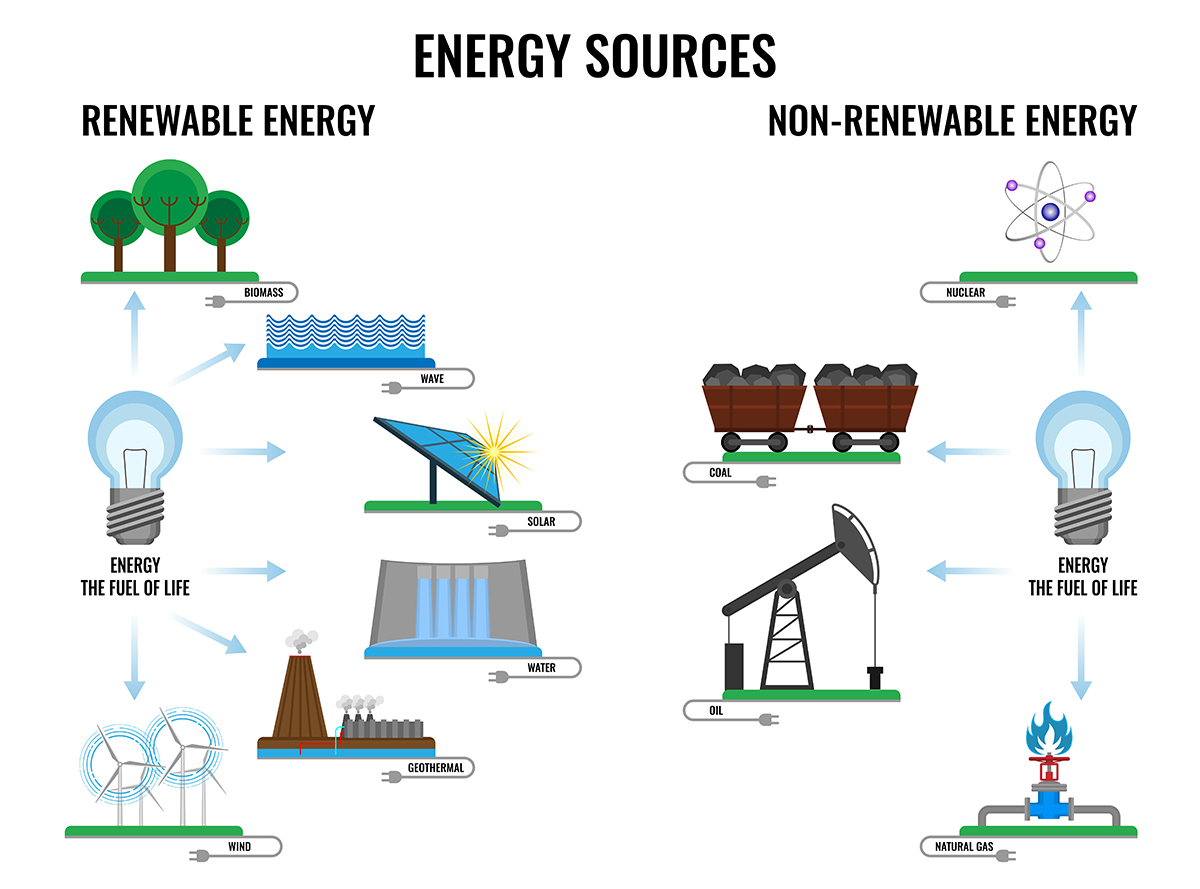
- Project Viability Assessment: EnergiSpeak's professional services focus on conducting thorough assessments of microgrid project viability. This involves evaluating factors such as the available renewable resources, energy demand, economic considerations, and the overall feasibility of implementing a microgrid in a specific location.
- Cost-Effectiveness Analysis: The inclusion of cost-effectiveness analysis in EnergiSpeak's services is crucial for ensuring that microgrid projects provide value for investment. This involves assessing the total cost of ownership, return on investment, and ongoing operational costs against the expected benefits and savings.
- Scalable Roll-Outs: EnergiSpeak's expertise in rolling out microgrid projects on a scalable basis, from smaller to larger scales, enhances the adaptability of their solutions. This flexibility allows for the implementation of microgrids tailored to the size and energy needs of diverse communities and industries.
- Proven Technologies: The assurance that all components of EnergiSpeak's microgrid are based on well-proven technologies instills confidence in the reliability and performance of the system. This is critical for the success and acceptance of microgrid solutions in different operational environments.
- IoT Integration for Data-Driven Decision-Making: EnergiSpeak's reliance on data from various distributed IoT devices reflects a commitment to data-driven decision-making. By capturing data on power generation, storage system availability, T&D network status, and load demand, the microgrid system can be monitored and optimized in real-time for enhanced reliability and stability.
- Environmental and Electricity Use Condition Sensing: The deployment of wired and wireless IoT sensors across the entire microgrid system, from power generation to end-users, ensures comprehensive monitoring. This includes sensing environmental conditions and electricity use patterns, allowing for adaptive responses to changing circumstances.
- Reliability and Stability Assurance: The use of IoT devices facilitates the continuous monitoring of the microgrid's performance, ensuring reliability and stability under varying environmental and usage conditions. This capability is essential for maintaining a consistent power supply, especially in regions with dynamic energy needs.
- End-to-End System Monitoring: EnergiSpeak's approach to placing IoT sensors throughout the entire microgrid system, from generation to delivery, ensures end-to-end monitoring. This holistic perspective allows for a thorough understanding of the system's behavior and facilitates proactive maintenance and optimization.
EnergiSpeak's integration of professional services, proven technologies, and comprehensive IoT-based monitoring underscores a commitment to delivering reliable, scalable, and cost-effective microgrid solutions. The emphasis on data-driven decision-making and adaptability to varying conditions positions their services as valuable contributions to the advancement of sustainable and resilient energy infrastructure.
EnergiSpeak's Microgrid - Analytics
EnergiSpeak's Microgrid controllers leveraging high-speed data channels to optimize renewable energy output and power quality showcase an advanced and efficient approach to microgrid management. Here are key points that highlight the significance of this technology:
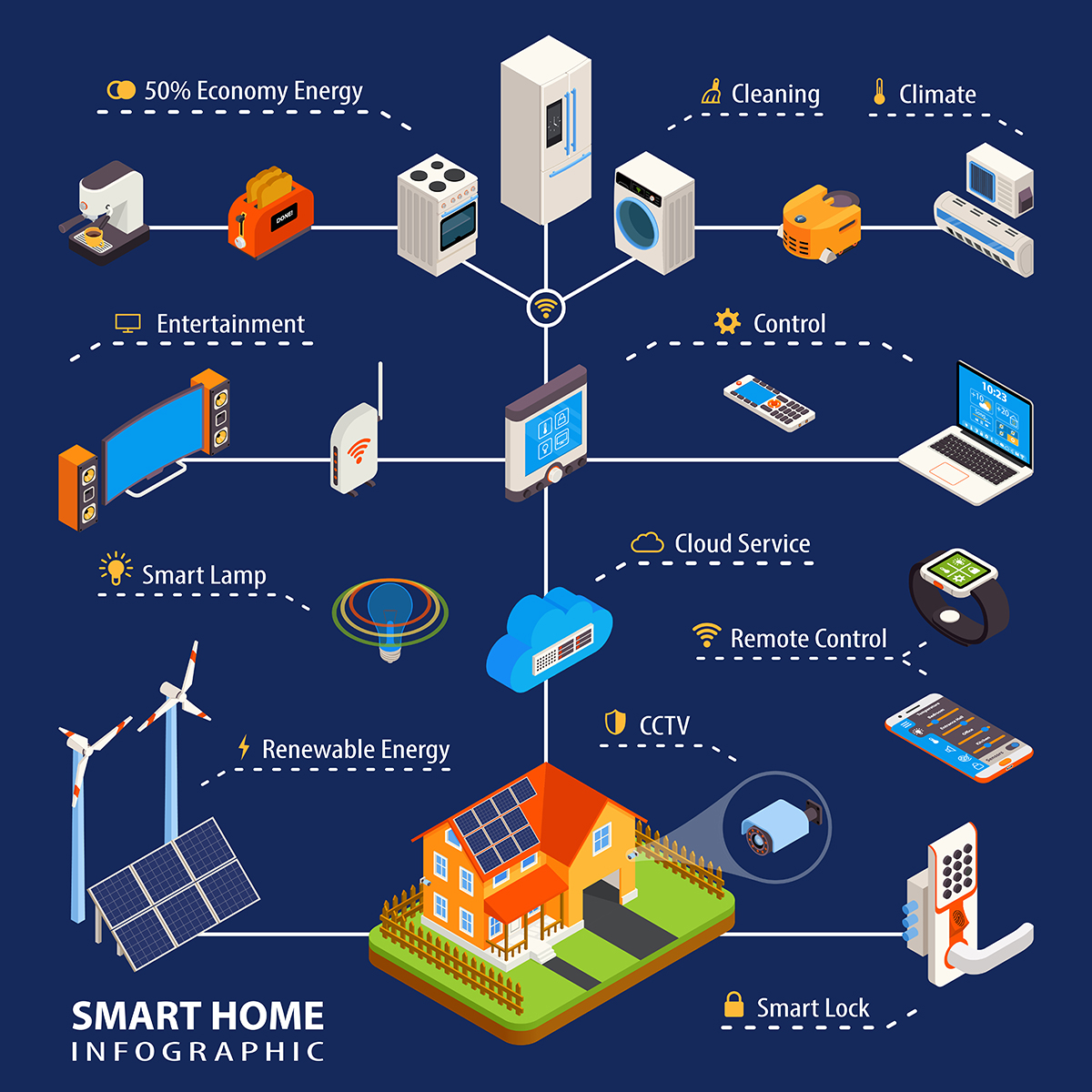
- Simultaneous Optimization of Renewable Energy Output and Power Quality: The use of high-speed data channels enables EnergiSpeak's Microgrid controllers to optimize both the renewable energy output and power quality concurrently. This simultaneous optimization ensures that the microgrid operates at peak efficiency while maintaining high-quality power delivery.
- Lower Operating Costs through Renewable and Energy Storage Integration: The integration of renewable energy sources and energy storage technologies into the microgrid allows for the displacement of conventional fuelled engine/turbine power generation. This transition contributes to lower operating costs by harnessing cleaner and often more cost-effective sources of energy, reducing reliance on traditional fossil fuels.
- Smaller Carbon Footprint as Part of Energy Transition: The shift towards renewable power sources and energy storage not only lowers operating costs but also results in a smaller carbon footprint. By reducing or eliminating the use of conventional fuelled engines and turbines, EnergiSpeak's Microgrid controllers actively contribute to the global energy transition, aligning with sustainability goals and environmental conservation.
- Optimized Energy Transition Strategies: The Microgrid controllers' capability to optimize renewable energy output and power quality reflects a strategic approach to energy transition. By ensuring a smooth integration of renewables and maintaining power quality, the controllers contribute to the reliability and acceptance of sustainable energy sources within the microgrid.
- High-Speed Data for Real-Time Optimization: The use of high-speed data channels is crucial for real-time optimization. This allows the Microgrid controllers to respond rapidly to changing conditions, adjusting the generation and storage components to maximize efficiency and meet power quality standards.
- Improved Grid Resilience and Reliability: Simultaneous optimization of renewable energy and power quality enhances the overall resilience and reliability of the microgrid. This is particularly important in scenarios where the microgrid needs to adapt to fluctuations in renewable energy availability or changes in energy demand.
- Compliance with Power Quality Standards: The ability to optimize power quality ensures that the microgrid complies with industry standards and regulations. Consistent and high-quality power delivery is essential for the smooth operation of connected equipment and appliances.
- Support for Grid Stability: As the Microgrid controllers optimize energy output and power quality, they contribute to overall grid stability. This is critical for maintaining a balanced and reliable electricity supply, especially in areas with intermittent renewable resources.
EnergiSpeak's use of high-speed data channels in their Microgrid controllers reflects a commitment to achieving optimal performance, cost-effectiveness, and environmental sustainability. By seamlessly integrating renewable energy and storage technologies, these controllers play a pivotal role in advancing the energy transition and promoting a greener and more resilient energy infrastructure. Top of Form
EnergiSpeak's integration of digital transformation technologies and tools for managing energy balance reflects a strategic approach to optimizing the performance and reliability of microgrids.
- Electricity Demand Curve Analysis: EnergiSpeak's use of digital tools to analyze electricity demand curves offers valuable insights into the patterns of energy consumption throughout the day. The recognition of different demand profiles for agricultural, industrial, residential, and commercial sectors allows for targeted and optimized energy management strategies.
- Solar PV Supply Curve and Intermittency Management: Understanding the solar PV supply curve, with its peaks in the middle of the day, is crucial for effectively harnessing solar energy. Acknowledging the intermittency associated with overcast or rainy conditions, EnergiSpeak's approach demonstrates a proactive strategy to manage variations in solar energy production and ensure a reliable power supply.
- Supplemental Energy Requirement Recognition: The acknowledgment that Solar PV energy alone may be inadequate to meet the load demand highlights the importance of recognizing supplemental energy requirements. EnergiSpeak's digital tools likely assist in identifying periods when additional energy sources, such as conventional power generation or Energy Storage Systems (ESS), are needed to maintain a consistent power supply.
- Optimization of Energy Storage Systems: The recognition of surplus electricity from Solar PV panels and its utilization for Energy Storage Systems charging demonstrates an integrated approach to energy storage optimization. This strategy ensures efficient use of excess energy during periods of high solar generation, storing it for later use during periods of lower solar output or higher demand.
- Balancing Supply and Demand Dynamics: EnergiSpeak's use of digital transformation technologies facilitates the real-time balancing of supply and demand dynamics. This enables the microgrid to respond dynamically to fluctuations in renewable energy production and changing energy consumption patterns, ensuring a stable and balanced energy ecosystem.
- Proactive Energy Management Strategies: The digital tools likely enable EnergiSpeak to implement proactive energy management strategies. By anticipating variations in energy supply and demand, the microgrid can make informed decisions on when to draw from stored energy, when to rely on solar PV, and when to integrate supplemental sources.
- Enhanced Grid Resilience: The utilization of digital tools contributes to enhanced grid resilience. The ability to foresee and manage variations in energy production and demand ensures that the microgrid can adapt to changing conditions, minimizing the impact of intermittency and optimizing the overall reliability of the energy supply.
- Data-Driven Decision-Making: The reliance on digital transformation technologies underscores the importance of data-driven decision-making. By continuously analyzing data on energy demand, supply, and system performance, EnergiSpeak can make informed and strategic decisions to optimize the microgrid's operation.
- Solar Radiation Monitoring and Prediction: IoT sensors recording solar radiation data, including variations due to clouds or precipitation, provide real-time information on the availability of solar energy. The inclusion of predicted near-future values allows for proactive decision-making, enabling the microgrid to anticipate and respond to changes in solar input.
- Wind Speeds and Directionality Monitoring: Monitoring wind speeds and directionality is crucial for optimizing the performance of wind energy sources. The data collected from IoT sensors helps assess the potential of wind power generation and aids in determining the most effective utilization of wind resources within the microgrid.
- Electrical Outputs from Renewable Sources: The recording of electrical outputs from each renewable source, including solar and wind, offers insights into the actual energy production. This data is essential for understanding the contribution of each renewable source, optimizing their use, and maintaining a balanced energy supply.
- Storage System Status Monitoring: Monitoring the status of energy storage systems, including available power, depth of discharging, and any lifecycle degradation, is critical for ensuring the reliability and longevity of the storage infrastructure. This data guides decisions on when to charge or discharge the storage systems for optimal performance.
- Conventional Power Generator Activation: The recorded data from IoT sensors aids in determining when to "switch on" conventional power generators. This decision is based on factors such as variations in renewable energy production, storage system status, and the overall energy demand. The system ensures that conventional generators are activated when needed to supplement renewable sources.
- Monitoring Conventional Fuel Status: IoT sensors monitoring conventional fuel status, including fuel levels, usage rates, and the status of resupply, provide critical information for operational decisions. This data helps optimize the utilization of conventional generators, ensuring that fuel is efficiently used and resupplied as needed.
- End User Demand Data Analysis: Analyzing end-user demand data and comparing it to historical patterns enables the microgrid to understand and anticipate user requirements. This proactive approach helps prevent load shedding by ensuring that the microgrid is prepared to meet varying levels of demand without compromising stability.
- Data-Driven Operational Decision-Making: The entire system relies on data-driven decision-making, where insights from IoT sensors inform operational decisions in real-time. This approach maximizes the efficiency, reliability, and sustainability of the microgrid facility.
EnergiSpeak's commitment contributes to building a greener future by prioritizing renewable energy sources over time. This approach supports global efforts to mitigate climate change and reduce dependence on finite fossil fuel resources.
EnergiSpeak's dedication to the economic application of microgrids, driven by digital transformation technologies, signifies a forward-looking and sustainable approach. By embracing innovation and staying attuned to advancements in renewable energy, EnergiSpeak positions itself as a key player in the ongoing transition to cleaner, more efficient, and economically viable energy solutions.
About Microgrid
Microgrids play a crucial role in enhancing energy access, especially in areas where traditional centralized power infrastructure is inadequate or non-existent. A microgrid is a small-scale, localized energy system that can operate independently or in conjunction with the main power grid. Here are some ways in which microgrids contribute to enhancing energy access:

- Decentralized Power Generation: Microgrids enable decentralized power generation, allowing communities to produce their own energy locally. This is particularly beneficial in remote or rural areas where connecting to the main grid may be impractical or cost-prohibitive.
- Increased Resilience: Microgrids enhance energy resilience by providing a reliable power source even during disruptions to the main grid. This is crucial in areas prone to natural disasters or in regions with unreliable grid infrastructure. In the event of a power outage, a microgrid can continue to supply electricity to essential services, such as hospitals, schools, and emergency services.
- Renewable Energy Integration: Microgrids are well-suited for integrating renewable energy sources, such as solar, wind, and hydro power. By harnessing local renewable resources, microgrids can reduce dependence on fossil fuels, lower energy costs, and contribute to environmental sustainability.
- Customized Solutions: Microgrids can be designed to meet the specific needs of a community or facility. This flexibility allows for the incorporation of various energy sources, storage systems, and demand-side management strategies tailored to local requirements.
- Community Empowerment: Microgrids empower communities to take control of their energy production and consumption. This not only fosters a sense of ownership but also provides economic opportunities through local job creation and skills development in the renewable energy sector.
- Grid Expansion and Complement: Microgrids can complement existing grid infrastructure or serve as a stepping stone for expanding the main grid. In areas where extending the central grid is challenging, microgrids can act as a bridge, providing reliable power until a connection to the main grid becomes feasible.
- Smart Grid Technologies: Microgrids often incorporate smart grid technologies, allowing for efficient energy management, monitoring, and control. This enables better load balancing, demand response, and optimization of energy resources.
- Financial Viability: Microgrids can be financially viable solutions, especially in areas with high energy costs or where grid extension is economically unfeasible. The use of innovative financing models, such as public-private partnerships or community-based initiatives, can make microgrid projects more accessible.
- Education and Capacity Building: Implementing microgrids provides opportunities for education and capacity building within communities. Training programs on system maintenance, energy management, and entrepreneurship related to energy services can empower local residents to actively participate in the operation and maintenance of microgrid systems.
By addressing the unique energy needs of underserved communities, microgrids contribute significantly to enhancing energy access, promoting sustainability, and fostering community development.