Residential commercial
Accelerating the energy transition with Residential & Commercial Energy Management Information Systems (RCEMIS)
EnergiSpeak Residential and Commercial Energy Management Information Systems (RCEMIS) play a crucial role in accelerating the energy transition by optimizing energy usage, increasing efficiency, and promoting the integration of renewable energy sources.
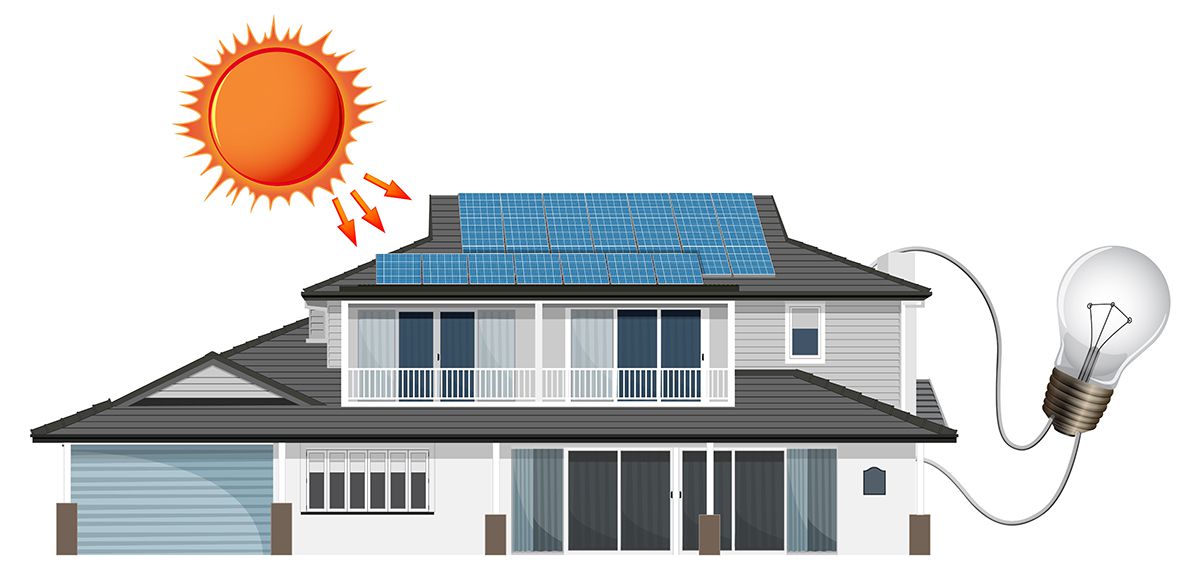
Here are several ways in which RCEMIS contributes to the energy transition
- Smart Energy Monitoring and Control: RCEMIS enables real-time monitoring and control of energy consumption in residential and commercial buildings. Through smart meters, sensors, and IoT devices, users can track their energy usage patterns, identify inefficiencies, and make informed decisions to optimize energy consumption.
- Demand Response Programs: RCEMIS facilitates the implementation of demand response programs, allowing energy consumers to adjust their electricity usage during peak demand periods. By incentivizing users to reduce or shift their energy consumption during high-demand times, RCEMIS helps balance the grid, avoid blackouts, and reduce the need for additional power generation capacity.
- Integration of Renewable Energy: RCEMIS supports the integration of renewable energy sources such as solar panels and wind turbines. By providing insights into energy production and consumption patterns, these systems help users maximize the utilization of renewable energy, reduce reliance on traditional power sources, and decrease carbon emissions.
- Energy Storage Optimization: With the increasing adoption of energy storage solutions like batteries, RCEMIS optimizes the charging and discharging cycles of energy storage systems. This ensures efficient use of stored energy, especially when renewable sources are intermittent, contributing to grid stability and reliability.
- Predictive Analytics and Machine Learning: RCEMIS leverages predictive analytics and machine learning algorithms to forecast energy demand, identify potential issues, and optimize energy usage based on historical data. This proactive approach enables better decision-making and resource planning, leading to increased energy efficiency.
- User Engagement and Education: RCEMIS engages users by providing them with real-time information on their energy consumption patterns and suggesting personalized recommendations for energy savings. This helps raise awareness about energy conservation and encourages sustainable practices among residential and commercial users.
- Grid Integration and Flexibility: By offering grid integration capabilities, RCEMIS enables buildings to be more flexible in responding to grid demands. This flexibility supports the integration of a higher share of renewable energy sources and helps maintain a stable and resilient energy grid.
- Policy Support and Compliance: RCEMIS can assist in monitoring and reporting energy usage, supporting compliance with energy efficiency standards and regulations. This ensures that residential and commercial buildings contribute to national and global energy transition goals.
EnergiSpeak Residential and Commercial Energy Management Information Systems are essential tools in accelerating the energy transition by optimizing energy usage, integrating renewable energy, promoting sustainability, and enhancing the overall efficiency of energy systems.
Electronic Energy Billing Systems
EnergiSpeak Electronic Energy Billing Systems are technology-driven solutions that automate and streamline the process of generating and managing energy bills for consumers.
These systems leverage digital tools and software to replace traditional paper-based billing methods, providing various benefits such as efficiency, accuracy, and convenience.
Here are key components and advantages of EnergiSpeak’s Electronic Energy Billing Systems:
- Automated Billing Generation: Electronic Energy Billing Systems automate the creation of energy bills based on consumption data collected from smart meters or other monitoring devices. This automation reduces the likelihood of errors and ensures timely and accurate billing.
- Integration with Smart Meters: Integration with smart meters allows real-time tracking of energy consumption. This data is then used to generate precise bills, and consumers can access detailed information about their energy usage patterns.
- Online Accessibility: Consumers can access their energy bills and related information online through secure portals. This enhances customer convenience, allowing them to view and manage their energy consumption and costs from anywhere with internet access.
- Billing Transparency: Electronic billing systems provide detailed breakdowns of energy costs, making the billing process more transparent for consumers. They can see how much energy they are using, at what times, and the associated costs.
- Energy Usage Analysis: These systems often include tools for analyzing historical energy usage patterns. This empowers consumers to make informed decisions about their energy consumption, leading to potential energy savings.
- Automated Alerts and Notifications: Systems can be configured to send automated alerts and notifications to consumers about upcoming bills, payment due dates, or unusual spikes in energy usage. This helps in proactive management and avoids surprises.
- Multiple Payment Options: Electronic billing systems typically support various payment methods, including online payments, credit/debit card transactions, and automatic bank transfers. This flexibility enhances customer convenience and expedites the payment process.
- Energy Efficiency Recommendations: Some systems provide recommendations on how consumers can improve energy efficiency based on their usage patterns. This information can include tips on reducing energy consumption and optimizing usage during peak hours.
- Billing Software Integration: Integration with billing software allows utility companies or energy providers to manage billing processes efficiently. This includes calculating tariffs, handling different rate structures, and managing billing cycles.
- Security and Compliance: Electronic billing systems prioritize security to protect consumer data and adhere to regulatory compliance standards. This ensures the privacy and integrity of sensitive billing information.
- Scalability: The systems are designed to be scalable, accommodating changes in the number of consumers, billing complexities, and additional features as needed.
- Environmentally Friendly: By eliminating paper-based bills, electronic energy billing systems contribute to environmental sustainability by reducing paper usage and the associated environmental impact.
EnergiSpeak’s Electronic Energy Billing Systems bring efficiency, transparency, and convenience to the energy billing process, benefiting both consumers and utility providers. These systems are an integral part of the digital transformation in the energy sector, offering advanced features to enhance the overall billing experience.