Data acquisition systems
Data Acquisition and Infrastructure Solutions (DAIS)
EnergiSpeak has built an effective Energy Management System (EMS) on the layer of robust data acquisition and infrastructure solutions to collect, process, and analyze energy-related information. It is a comprehensive data acquisition and infrastructure solution. EnergiSpeak Energy Management System can effectively monitor, analyze, and optimize energy usage, leading to cost savings and sustainability benefits. Regular updates and continuous improvement is being done essential to adapt to evolving technologies and industry standards.
The Data Acquisition and Infrastructure Solutions (DAIS) module covers a wide range of features and functionalities, demonstrating a thorough understanding of the challenges and requirements in the energy sector.
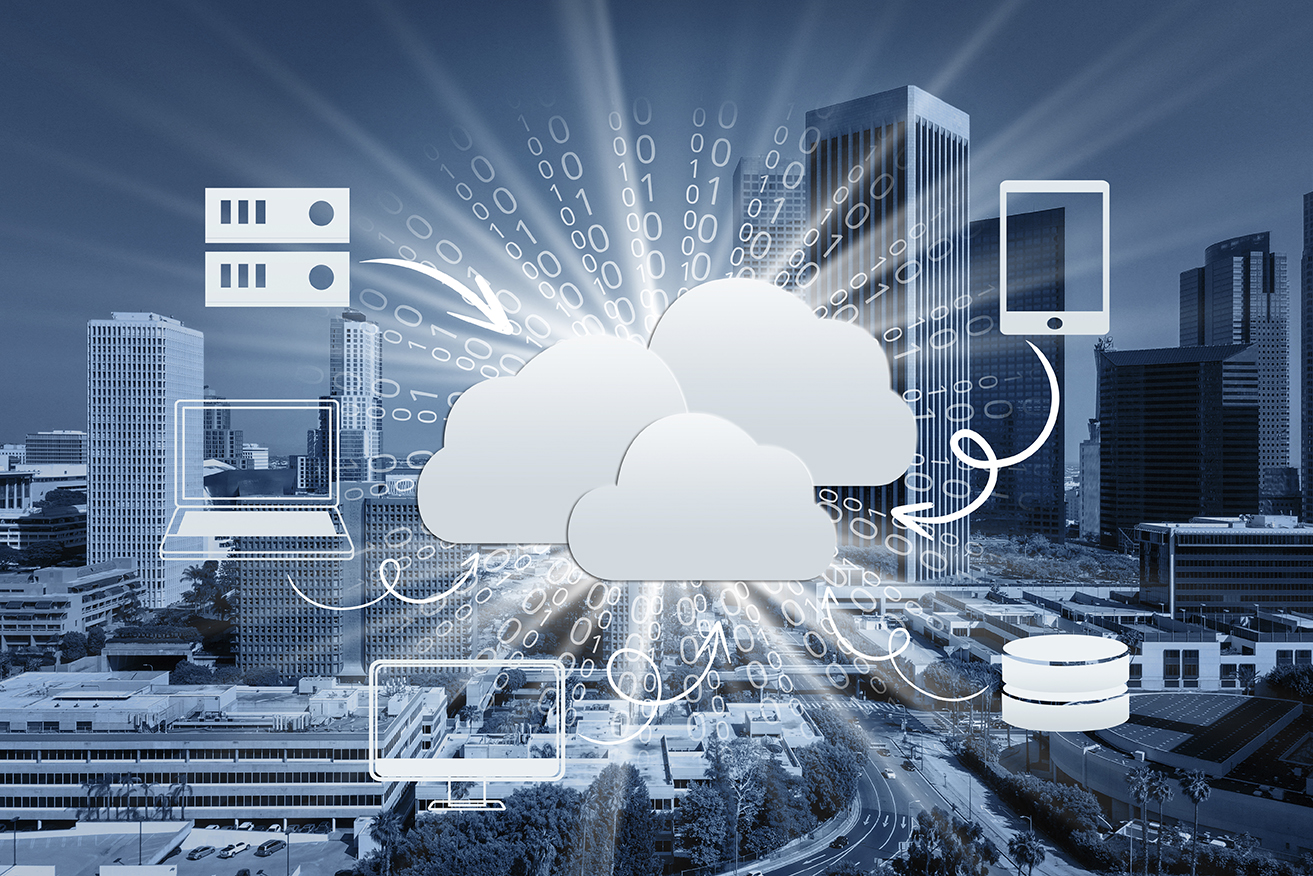
EnergiSpeak's Data Acquisition and Infrastructure Solutions (DAIS) revolutionize power system operations through data-driven technologies. In the current complex power business model, characterized by multiple Open Access power suppliers and Distributed Energy Resources (DER), EnergiSpeak DAIS becomes essential for integrating new energy assets and controls. It handles multifaceted data acquisition from various sources, ensuring structured and unstructured data processing.
Features of DAIS:
- Collects data from Smart Meters, IEDs, IoTs, manual feeds, and third-party system integrations.
- Utilizes communication protocols like MODBUS,SMART, DLMS, COSEM, MODBUS, OPC,MQTT.
- Implements Automatic Meter Data reading for consumer meters and interfaces with Meter Data Management (MDM) using ODBC Connectivity.
- Gathers data from various sources, including legacy systems.
Design Considerations:
- Developed on an open platform with distributed architecture for scalability.
- Supports Service Oriented Architecture (SOA) and a modular-based approach.
- Web-based, user-friendly GUI with multi-tenancy architecture.
- Ensures data protection, end-to-end security, and cloud-based hosting capabilities.
Device Management:
- Manages, monitors, and controls field devices, supporting device life cycle management.
- Integrates geographical, administrative, regional, and network hierarchies.
Network Management Module (NMS):
- Manages mesh networks, nodes, and gateways with remote configuration and firmware upgrades.
- Provides real-time visualization of network topology on interactive maps.
Analysis and Reporting:
- Offers dynamic dashboards for real-time monitoring.
- Generates static reports based on daily, weekly, and monthly data.
- Facilitates dynamic reports extraction with user-defined logic.
Notifications:
- Dispatches notifications for critical and non-critical events via email and SMS.
Security Module:
- Manages security keys and certificates, complying with cybersecurity norms.
- Maintains an audit trail for tracking user activities.
Integration:
- Integrates with third-party systems using web services and APIs.
- EnergiSpeak DAIS empowers energy managers with secure and timely delivery of valuable data, contributing to the evolving energy landscape and paving the way for a more efficient and resilient power system.
The key component details are:
-
Data Acquisition Systems:
- Sensors and Meters:
- Deploys a variety of sensors and meters to measure energy consumption, production, and other relevant parameters.
- Uses smart meters and smart gateways for real-time data collection and monitoring.
- IoT Devices:
- Integrates Internet of Things (IoT) devices to gather data from various sources, such as equipment, machines, and facilities.
- IoT devices enable real-time monitoring and control, providing valuable insights into energy usage patterns.
- SCADA Systems:
- Integrates with Supervisory Control and Data Acquisition (SCADA) systems which help in monitoring, gathering, and processing real-time data.
- SCADA can further integrate with sensors and control systems for efficient energy management.
- Building Automation Systems (BAS):
- Integrates BAS to control and monitor building-related systems, including heating, ventilation, air conditioning (HVAC), and lighting.
- Sensors and Meters:
-
Data Collection Sources:
Capable of collecting data from various sources, including:
- Smart Meters
- Intelligent Electronic Devices (IEDs)
- Internet of Things (IoT) devices
- Manual feeds
- Log books
- Design documents
- Spreadsheets
- Web data
- Third-party system integrations
-
Handling Structured and Unstructured Data:
- EnergiSpeak DAIS can handle both structured and unstructured data effectively.
-
In-Built Data Processing and ETL Tools:
- Equipped with in-built data processing capabilities.
- Utilizes Extract, Transform, Load (ETL) tools for efficient data processing.
-
Data Storage and Management:
- Cloud-Based Solutions:
- Leverages on cloud platforms for scalable and accessible storage of large datasets.
- Cloud solutions facilitate real-time data processing and analysis.
- Data Warehousing:
- Implements data warehousing solutions to organize and store historical data for long-term analysis and reporting.
- Database Management Systems (DBMS):
- Uses DBMS to efficiently manage and retrieve data from various sources.
- Ensures data integrity and security through appropriate access controls.
- Cloud-Based Solutions:
-
Communication Protocols:
- Standardized Protocols: Adopt standardized communication protocols (e.g., MQTT, OPC-UA) to ensure compatibility and seamless integration between different devices and systems.
- Cybersecurity Measures: Implements robust cybersecurity measures to protect data integrity and prevent unauthorized access.
-
Energy Analytics and Visualization:
- Data Analysis Tools:
- Employ data analytics tools to derive actionable insights from the collected data.
- Implement machine learning algorithms for predictive analysis and anomaly detection.
- Dashboard and Visualization Tools:
- Uses intuitive dashboards and visualization tools to present key performance indicators and trends to stakeholders.
- Provides real-time and historical data views for better decision-making.
- Data Analysis Tools:
-
Integration with Existing Systems:
- ERP Integration:
- Integrates the EMS with existing Enterprise Resource Planning (ERP) systems for seamless data flow and comprehensive business insights.
- Open Standards:
- Adopt open standards for interoperability, ensuring that the EMS can easily integrate with various hardware and software components.
- ERP Integration:
-
Regulatory Compliance:
- Compliance Monitoring:
- Ensures that the EMS complies with relevant energy management standards and regulations.
- Regularly update the system to adapt to changing compliance requirements.
- Compliance Monitoring:
Data Acquisition Services – Key Features
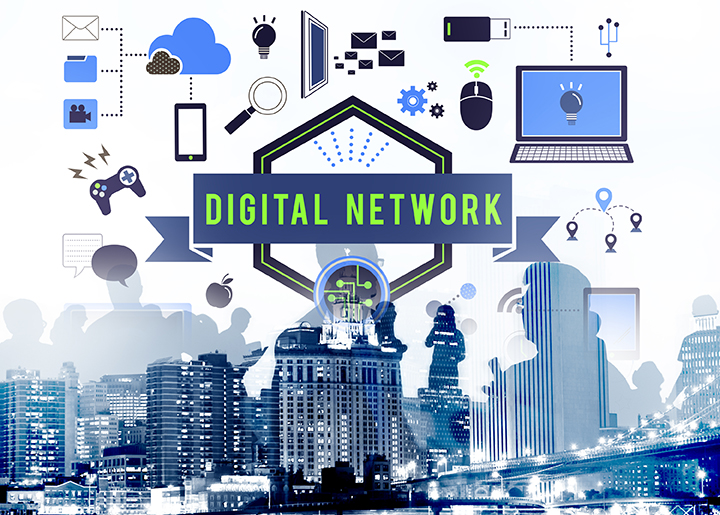
Key Components and Features:
-
Data Acquisition:
- Collects data from various sources, including smart meters, IEDs, IoT devices, and legacy systems.
- Utilizes RF communication between meters and DCUs for efficient data collection.
-
Communication Protocols:
- Supports various communication protocols such as MODBUS, SMART, DLMS, COSEM, MODBUS, MQTT.
- Ensures data integrity through checksums, time checks, pulse monitoring, etc.
-
Device Management:
- Manages, monitors, and controls field devices, including network terminals.
- Supports device life cycle management, including registration, installation, provisioning, maintenance, and decommissioning.
-
Network Management Module (NMS):
- Manages mesh networks, nodes, and gateways.
- Supports remote configuration and firmware upgrades.
- Visualizes network topology and status on interactive maps.
-
Security:
- Manages security keys and certificates.
- Provides audit trail functionality to track user activities.
- Complies with cybersecurity norms to ensure data protection.
-
Integration:
- Integrates with various systems using web services and APIs.
- Connects with third-party systems such as MDMs, SAP, GIS, OMS, SCADA, and more.
-
Notifications:
- Dispatches notifications based on exceptions to relevant users via email and SMS.
- Reports critical and non-critical events, ensuring timely responses.
-
Analysis and Reporting:
- Offers dynamic dashboards for real-time monitoring.
- Generates static reports based on daily, weekly, and monthly data.
- Provides an analysis window for extracting reports based on user-defined logic.
-
Security Module:
- Manages security keys and certificates.
- Maintains an audit trail for tracking all user activities.
Data Acquisition Services – Design Considerations

Scalability and Modularity
- Built on an open platform and distributed architecture for scalability without performance degradation.
- Supports a Service-Oriented Architecture (SOA) and a modular approach.
User-Friendly GUI
- Web-based, flexible, and user-friendly GUI for ease of use.
Multi-Tenancy
- Supports multi-tenancy architecture for different users and organizations.
Data Protection
- Ensures end-to-end data protection to prevent loss or corruption.
Cloud Support
- Capable of cloud-based hosting, supporting various implementation options.
EnergiSpeak's DAS solution is a comprehensive and technologically advanced platform that addresses the evolving needs of the energy sector. Its features, security measures, and integration capabilities position it well for assisting organizations in achieving optimized real-time operations and gaining insights into various aspects of power system operations. The emphasis on scalability, modularity, and user-friendly interfaces aligns with best practices in developing robust energy management solutions.
Data Acquisition Services – Operational Aspects
In the age of energy and digital transformation, the ideal power system involves every electrical component equipped with metering or Intelligent Electronic Devices (IEDs), possessing intelligence, and the capability to communicate information when needed across an enterprise. EnergiSpeak's Data Acquisition and Infrastructure Solutions (DAIS) play a pivotal role in empowering data-driven organizations. DAIS ensures optimized real-time operations and provides insights into anticipated events, including weather changes, equipment performance, and distributed generation inputs.
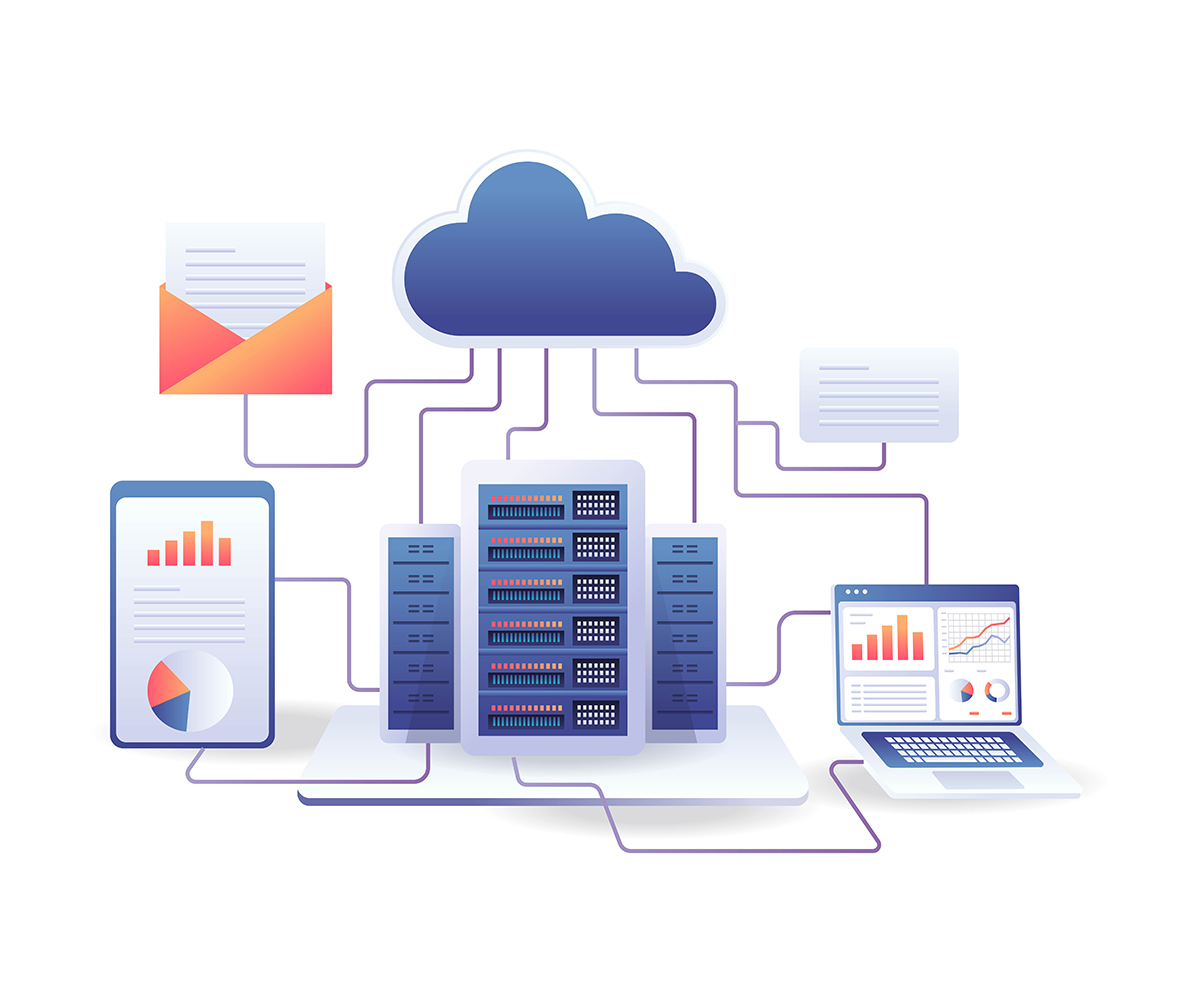
This facilitates grid operators in maximizing reliability and resiliency for a seamlessly functioning power system.
<Data Collection: Gathers data from various sources, including legacy systems.
Data Availability: Makes operational data available on multiple systems, including:
- Supervisory control and data acquisition (SCADA)
- Energy management
- Distribution management
- Distributed energy resource management
- Plant performance
- Asset management
- Substation automation
Audience Reach: Delivers data not only to system operators but also to a broad user base, extending the reach to many potential users.
Empowering Energy Managers: Provides energy managers with the means to:
- Securely access data
- Deliver valuable data securely
- Ensure timely delivery of data
Communication Infrastructure: Highlights the need for a more reliable communications infrastructure in power system operations.
Key Demands: Emphasizes the ever-increasing demands for:
- Reliable service delivery
- Secure service delivery
- Timely provision of the right data
Critical Role: Stresses the critical nature of the communications infrastructure in the overall power system operations.
Process Analytics: Recognizes the importance of providing the right data at the right time for effective process analytics.
Infrastructure Oversight:
- Highlights that the communications infrastructure is a critical component that should not be overlooked in the management of power system operations.
- EnergiSpeak solutions play a transformative role in power system operations by leveraging data-driven technologies.
Addresses Complexity of the Present Power Business Model:
- The current power business model is more intricate compared to previous years. Previously, there was a single primary supplier, but now there are multiple suppliers of Open Access power and Distributed Energy Resources (DER).
- EnergiSpeak DAIS supports the emergence of more Open Access power transactions and DER transactions.
- Increasing transactions involve new energy assets, advanced controls, and system process automation capabilities.
Need for Integration:
- With the evolving landscape, there is a need to integrate these advanced capabilities into the overall operational scheme.
- Integration is essential to provide deeper and more comprehensive operations.
Role of EnergiSpeak DAIS:
- EnergiSpeak DAIS is purposefully designed and developed to address the multifaceted nature of data acquisition systems.
Data Collection Sources: Capable of collecting data from various sources, including:
- Smart Meters
- Intelligent Electronic Devices (IEDs)
- Internet of Things (IoT) devices
- Manual feeds
- Log books
- Design documents
- Spreadsheets
- Web data
- Third-party system integrations
Handling Structured and Unstructured Data: EnergiSpeak DAIS can handle both structured and unstructured data effectively.
In-Built Data Processing and ETL Tools:
- Equipped with in-built data processing capabilities.
- Utilizes Extract, Transform, Load (ETL) tools for efficient data processing.
EnergiSpeak's approach involves not only adapting to the complexities of the evolving power business model but also leveraging advanced technologies to integrate and process data from diverse sources for enhanced operational efficiency.
Data Acquisition Services – Capabilities
EnergiSpeak's DAIS solution is positioned to revolutionize industries by leveraging a diverse set of technologies, fostering innovation, breaking down traditional barriers, and enabling market actors to differentiate themselves through enhanced data analytics capabilities.
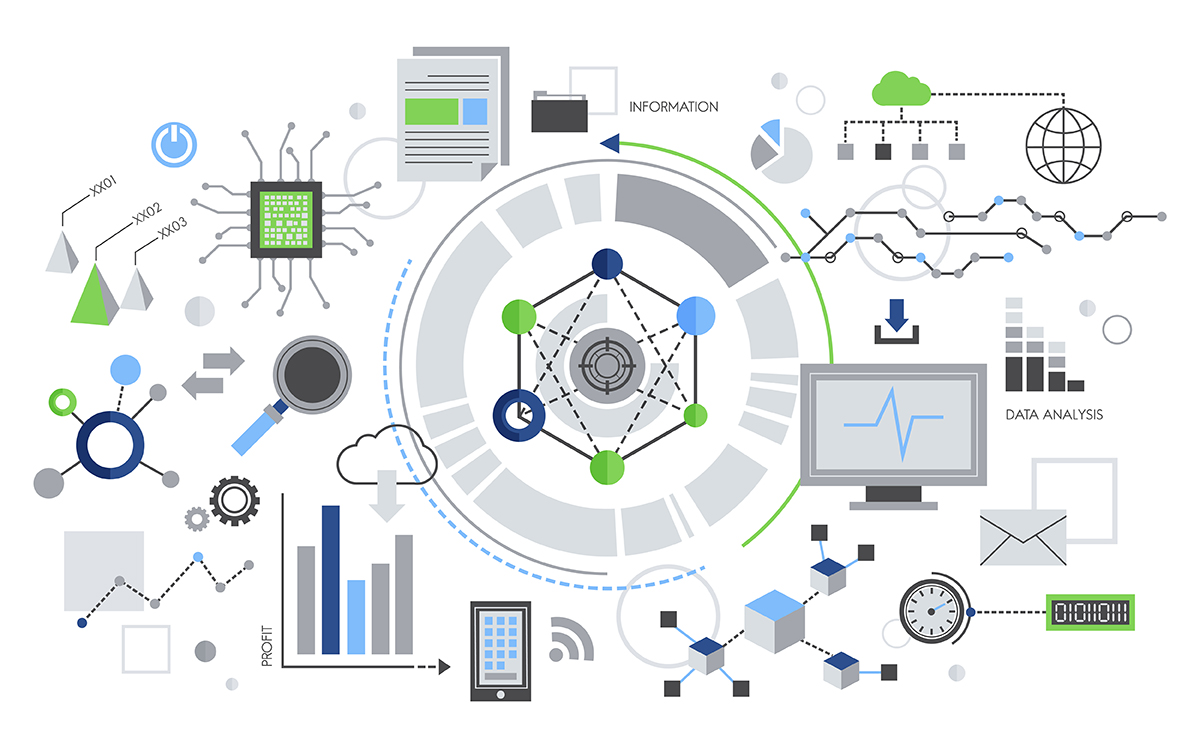
Broadening Technology Applications EnergiSpeak DAIS solution extends the application of various technologies, including:
- Technology
- Data
- Artificial Intelligence (AI)
- Internet of Things (IoT)
- Blockchain
Unlocking Opportunities
- The integration of these technologies is expected to unlock opportunities beyond current perspectives.
- This implies that the application of DAIS goes beyond the current understanding, presenting new and unexplored possibilities.
Breaking Traditional Industry Barriers
- EnergiSpeak DAIS aims to break down barriers traditionally present in various industries.
- The solution facilitates a more seamless integration of technology, data, AI, IoT, and blockchain, thus overcoming historical limitations.
Enabling Market Differentiation
- The DAIS solution plays a crucial role in making data and data analytics more accessible.
- This ease of accessibility contributes to market differentiation among various actors in the industry.
Facilitating Ease of Data Analytics
- EnergiSpeak DAIS simplifies the process of data analytics.
- This simplification contributes to a more streamlined and effective utilization of data for analytical purposes.
Enhancing Market Competitiveness
- The increased ease of data analytics and the application of advanced technologies contribute to making market actors more competitive.
- Market differentiation is enhanced as organizations can leverage these tools for strategic advantage.
Integration of Blockchain
- Notably, the mention of blockchain suggests a focus on ensuring secure, transparent, and tamper-resistant data management.
- Blockchain integration can provide added layers of security and trust in data transactions and management.
Capabilities of DAIS DAIS encompasses a range of capabilities, including:
- Communication Network Management
- Field Device Management
- Application Profiles
- Data Management and Processing
- Dashboard
- Analysis & Reporting
- Data/Cyber Security
- Notification Management
- Audit Trail
Data Polling and Transmission
- Meter data is successfully polled to a back-end compatible application at the central data centre (CDC) over wired/wireless networks.
- Data transmission occurs at regular intervals, such as block-wise, hourly, or daily, based on specific requirements.
Integration with MDM
- DAIS interfaces with Meter Data Management (MDM) using ODBC Connectivity.
Architectural Approach
- DAIS supports a Service-Oriented Architecture (SOA) and a modular-based approach in design, operations, and implementation.
Open Platform and Distributed Architecture:
- DAIS is developed based on an open platform and distributed architecture.
Integrated Suite
- Composed of an integrated suite of applications and programs.
Robust Attributes
- DAIS is a robust application module based on fundamental attributes such as scalability, availability, reliability, safety, confidentiality, integrity, and maintainability.
DAIS is a critical and comprehensive module designed to handle various aspects of data management, communication, and security in the context of energy management. It is characterized by its robustness, adaptability, and adherence to key attributes for efficient operation.Top of Form
Data Acquisition Services – Architecture feature
-
Scalable Architecture:
- Developed based on an open platform and distributed architecture for scalability without performance degradation using additional hardware.
-
Modular Approach:
- Supports Service Oriented Architecture (SOA) and a modular-based approach in design, operations, and implementation.
-
Integrated Suite:
- Composed of an integrated suite of applications and programs.
-
Web-Based GUI:
- Web-based, flexible, and user-friendly graphical user interface (GUI).
-
Multi-Tenancy:
- Features multi-tenancy architecture.
-
Monitoring and Optimization:
- Includes provision to monitor and optimize different application processes and services in terms of CPU usage and memory.
-
Transaction and Analytical Processing:
- Supports both transaction and analytical processing.
-
End-to-End Data Protections:
- Provides end-to-end data protections to ensure no data is lost or corrupted during processing, storage, and transportation between applications and interfaces.
-
Workflow Management:
- Offers workflow management capabilities to manage and control routine processes of the application.
-
High-Level Security:
- Maintains the highest level of security to ensure the confidentiality of stored information.
-
Cloud Hosting:
- Capable of cloud-based hosting (either dedicated or shared infrastructure) with architectural considerations supporting various implementation options.
-
Priority Definition:
- Defines priorities used to process prioritized tasks first in case of system constraints.
DAIS – Device Management
Functionality: Manages, monitors, and controls field devices, including network terminals.
Status Indication: Indicates status summary by device type, hardware & software versions, device IDs, service type, etc.
Importing Devices: Provides support for importing devices and associated information from third-party systems like SAP, GIS, etc.
Device Life Cycle Management: Manages device life cycle, including registration, installation, provisioning, maintenance, and decommissioning.
Hierarchy Management: Manages geographical, administrative, regional, and network hierarchies of the utility.
DAIS – Network Management Module (NMS)
Mesh Network Management: Manages, monitors, and controls mesh networks, nodes, and gateways.
Parameter Monitoring: Receives parameters such as terminal status, device status, next hop information, RF signal strength, hardware/software version numbers, logs, events, etc.
Remote Configuration and Firmware Upgrade: Allows remote configuration and firmware upgrade for nodes/gateways.
Self-Discovery and Registration: Supports self-discovery and self-registration functionality for nodes/meters/devices upon deployment.
Topology Visualization: Visualizes mesh topology and location of all terminals on an interactive map with status indication.
Security Management: Manages security keys and certificates.
KPIs and Historical Information: Provides Key Performance Indicators (KPIs) regarding network performance and Maintains real-time and historical information of communication network equipment.
DNS Server Maintenance: Keeps a DNS server up-to-date for addressing mesh nodes by external systems.
DAIS – Dynamic Dashboard, Reports, Analysis, and Notifications
Dynamic Dashboard: Includes dynamic dashboard features.
Static Reports: Generates daily, weekly, and monthly static reports covering various aspects, including the total number of network terminals, live terminals, disconnected terminals, terminal type categorization, firmware version-wise categorization, total number of filed devices connected, data availability, data non-availability, device type and status-wise categorization, real-time and historical information, and other exception reports.
Analysis Window: Features an analysis window where dynamic reports are extracted based on simple and complex logic by the system administrator or users.
Notification Module: Supports a notification module for dispatching notifications based on exceptions to concerned users via email and SMS.
Reporting Functionality: Critical and non-critical reporting functionality based on events such as data not received from Gateway/Meter, relay failure, communication link failure, and network failure.
DAIS – Security Module
Security Management: Manages security keys and certificates.
Security Breach Reporting: CAP